
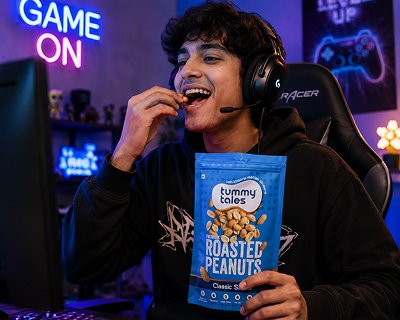
There was a time when food choices were driven mainly by hunger and convenience. Today, the relationship people have with food has evolved into something far more personal and experience-driven.
Modern consumers are no longer looking only for products that taste good. They are seeking food experiences that feel enjoyable, memorable, comforting, and emotionally satisfying. Taste still matters, but it is now only one part of a much larger experience.
The way food is presented, packaged, shared, and consumed has become equally important. From aesthetically designed packaging and premium textures to unique flavors and curated assortments, consumers today pay attention to every detail that shapes their interaction with a product.
Social media has also played a major role in this transformation. Food is no longer experienced privately — it is photographed, shared, recommended, and discussed. Consumers increasingly gravitate toward products that feel visually appealing and emotionally engaging.
At the same time, modern lifestyles have changed how people consume food throughout the day. Snacks are now associated with work breaks, travel, relaxation, celebrations, and social gatherings. Food has become closely connected to mood, routine, comfort, and self-expression.
This shift has encouraged brands to think beyond functionality and focus more on storytelling, experience, and emotional connection. Consumers now appreciate products that feel thoughtfully crafted and aligned with their lifestyle preferences.
What makes this evolution especially interesting is that even simple everyday snacks can now create meaningful moments. A flavorful bite during a hectic day, a comforting snack during travel, or sharing food with friends can all become small experiences that people genuinely value.
In the future, food brands that successfully combine quality, experience, emotion, and authenticity will continue to build stronger and more meaningful connections with consumers.